Advanced Search
More Photos
Click on one of the photos below for a larger view...
Photos: Large View
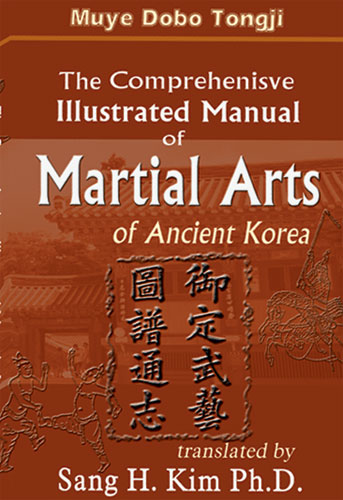
Muye Dobo Tongji: The Comprehensive Illustrated Manual of Martial Arts of Ancient Korea Translated by Sang H. Kim In 1789, King Chongjo, ruler of the Yi dynasty, ordered General Yi Duk-moo to compile an official textbook on all martial art forms present in Korea. The result, the Muye Dobo Tongji, is the only surviving classical text on the Korean arts of war. Based on the earliest known Korean martial arts treatise, the Muye Chebo (1599), the Muye Dobo Tongji clearly shows the influence of neighboring Japanese and Chinese armies. Through hundreds of wars and invasions, Korean soldiers adapted battlefield skills and tactics from their enemies, creating a unique system. Organized into 24 disciplines comprised of empty hand fighting, weaponry and horsemanship, this is an accurate historical snapshot of the warrior arts of the late 18th century. This marks the first time this volume is available in English. Carefully translated from the original text and illustrated with reproductions of ancient woodblock carvings, this book provides fascinating insights into Korea's martial arts legacy.
Muye Dobo Tongji: The Comprehensive Illustrated Manual of Martial Arts of Ancient Korea Translated by Sang H. Kim
In 1789, King Chongjo, ruler of the Yi dynasty, ordered General Yi Duk-moo to compile an official textbook on all martial art forms present in Korea. The result, the Muye Dobo Tongji, is the only surviving classical text on the Korean arts of war. Based on the earliest known Korean martial arts treatise, the Muye Chebo (1599), the Muye Dobo Tongji clearly shows the influence of neighboring Japanese and Chinese armies.
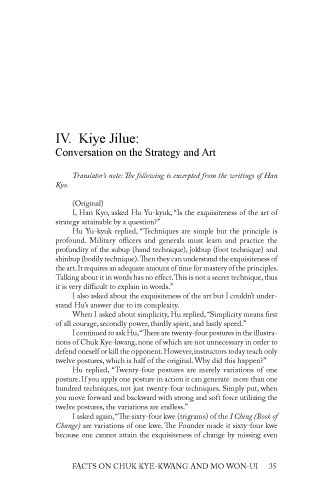
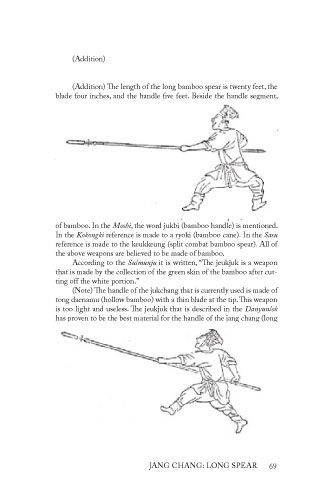
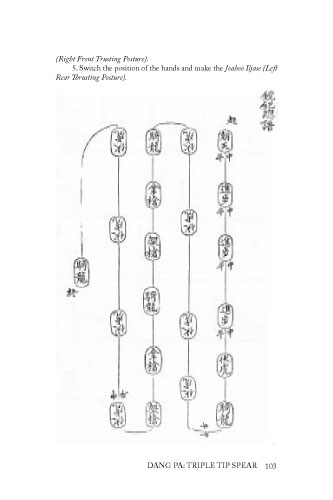
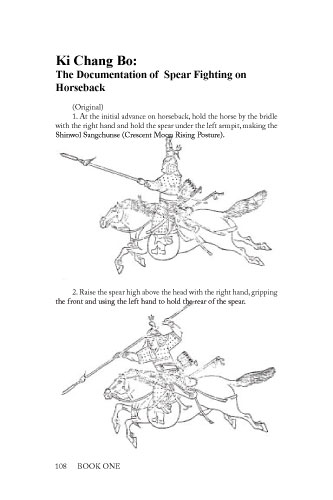
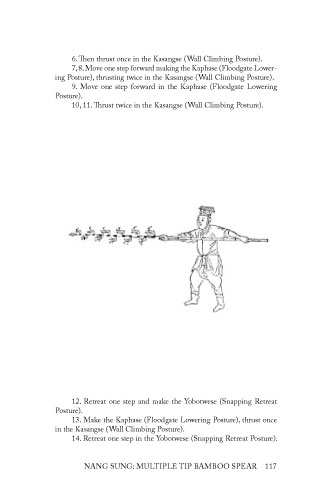
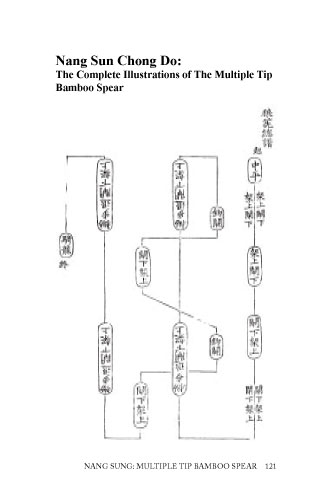
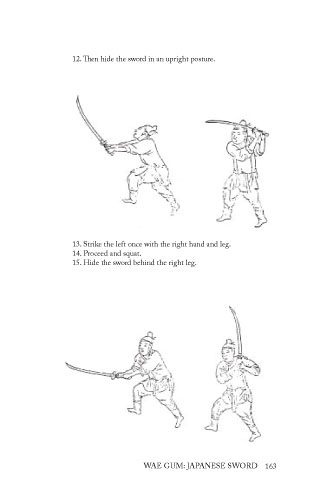
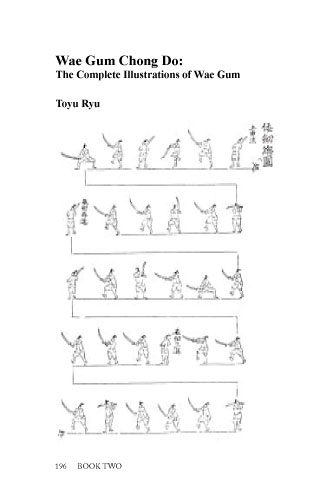
Through hundreds of wars and invasions, Korean soldiers adapted battlefield skills and tactics from their enemies, creating a unique system. Organized into 24 disciplines comprised of empty hand fighting, weaponry and horsemanship, this is an accurate historical snapshot of the warrior arts of the late 18th century. This marks the first time this volume is available in English. Carefully translated from the original text and illustrated with reproductions of ancient woodblock carvings, this book provides fascinating insights into Korea's martial arts legacy.
Reviewer: Michael Krauss from FL have read and enjoyed this book, it was well written, and it is the history that our style is orginated from. I plan on getting a copy for our chief instructor for Christmas, He was looking through my copy and was very pleased on the material that was reseached and put together in a way that everyone can enjoy reading.
Reviewer: Midwest Book Review from N/A Ably translated into English for the benefit of a western readership and a core contribution to any personal, professional or academic martial arts library collection.
Reviewer: Jamie Acutt from UK Very informative. A pleasure to add to my library
Reviewer: Martial Arts and Combat Sports Magazine from UK Carefully translated from the original text, this book provides fascinating insights in Korea's martial arts legacy.
Reviewer: Craig A. Reed Jr. from Southwest Florida With this book, we finally get a glimpse into Korea's military history and mindset during the time of great change in the world. This book proves that there was Martial arts in Korea before the emergence of the modern-day arts of Tae Kwon Do, Hapkido, Kuk Sool, ect. With this book, we finally get a glimpse into Korea's military history and mindset during the time of great change in the world. This book proves that there was Martial arts in Korea before the emergence of the modern-day arts of Tae Kwon Do, Hapkido, Kuk Sool, ect. Dr. Kim has given those of us who practiced KMAs a solid historical base to draw from. The use of the original drawings give the translation an air of authenticity that modern photos would have lack. I have learn from this book already and hope to learn more.